
Middle East Faces Renewed Uncertainty as Diplomacy Struggles and Fighting Continues
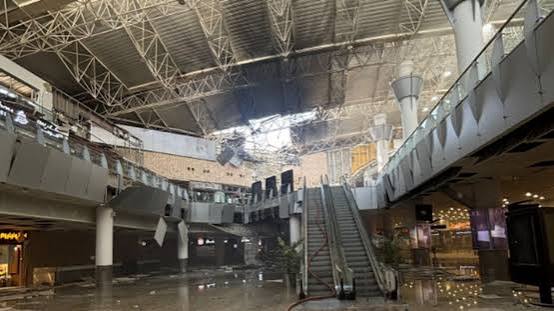
The Middle East remains on edge as military operations, missile threats, and diplomatic disagreements continue to fuel instability across the region. Efforts to secure a lasting agreement between the United States and Iran have shown little progress, while fighting involving Israel and Hezbollah in Lebanon continues despite multiple ceasefire initiatives.
Recent developments have highlighted the fragile state of regional security. U.S. military officials reported that several Iranian missile and drone attacks directed toward Gulf targets, including Bahrain and Kuwait, were intercepted or failed before reaching their intended destinations. American forces also reportedly carried out retaliatory strikes against Iranian-linked assets following attempted attacks on regional targets and commercial shipping routes.
The latest incidents come amid a prolonged standoff between Washington and Tehran. President Donald Trump has maintained that negotiations with Iran remain active, while Iranian officials have indicated that talks cannot meaningfully progress while Israeli military operations continue in Lebanon and other areas of concern.
Israel-Hezbollah Conflict Remains a Major ObstacleA major source of tension remains the ongoing conflict between Israel and Hezbollah in Lebanon. Although ceasefire arrangements have been discussed and partially implemented in recent months, hostilities continue to flare up across southern Lebanon.
Israeli forces have conducted multiple airstrikes against Hezbollah-linked positions, while Hezbollah has continued launching rockets and drones toward northern Israel. Both sides have accused each other of violating ceasefire understandings brokered through international mediation efforts.
Reports indicate that some of the latest Israeli strikes targeted areas near Sidon and other locations in southern Lebanon, resulting in civilian casualties and further displacement. Humanitarian agencies have warned that the continued fighting is worsening conditions for millions of civilians already affected by months of conflict.
Growing Strain Between Trump and NetanyahuThe crisis has also exposed differences between President Trump and Israeli Prime Minister Benjamin Netanyahu. Reports suggest Trump has pushed for de-escalation measures and sought to prevent broader attacks on Beirut, believing such actions could undermine efforts to secure a broader regional agreement involving Iran.
While both leaders remain strategic allies, recent reports indicate disagreements over military strategy in Lebanon and the pace of diplomatic negotiations. Analysts believe these differences could influence future developments in both the Lebanon conflict and wider Middle East diplomacy.
Oil Markets React to Renewed InstabilityGlobal energy markets have reacted to the escalating tensions. Oil prices have risen as investors monitor developments around the Strait of Hormuz, one of the world’s most important energy shipping corridors. Any disruption to shipping traffic through the waterway could have significant consequences for global energy supplies and transportation costs.
The Strait of Hormuz remains central to ongoing negotiations. U.S. officials have reportedly linked sanctions relief and future agreements with Iran to guarantees regarding freedom of navigation and the reopening of critical maritime routes.
Humanitarian Impact Continues to GrowThe conflict’s human toll continues to increase. Thousands have reportedly been killed since the wider regional conflict intensified earlier this year, while millions across Iran, Lebanon, Israel, and neighboring countries have been affected by displacement, economic disruption, and security concerns. Humanitarian organizations warn that aid deliveries remain difficult due to ongoing military activity and maritime security concerns.
Diplomatic observers caution that without meaningful progress in negotiations, the risk of further escalation remains high. Regional governments and international partners continue to urge restraint while seeking pathways toward a broader settlement that addresses security concerns, nuclear issues, and regional stability.
Why This Matters
The ongoing crisis could significantly impact:
Global oil prices
International shipping routes
Middle East security
U.S.–Iran relations
Israel–Lebanon stability
Global financial markets
With diplomacy stalled and military operations continuing across multiple fronts, the coming days may prove critical in determining whether the region moves toward de-escalation or deeper conflict.
About The Author