Economic Governance: “North, Biggest Beneficiary of My Reforms,” Declares Tinubu as Regional Groups Push Back

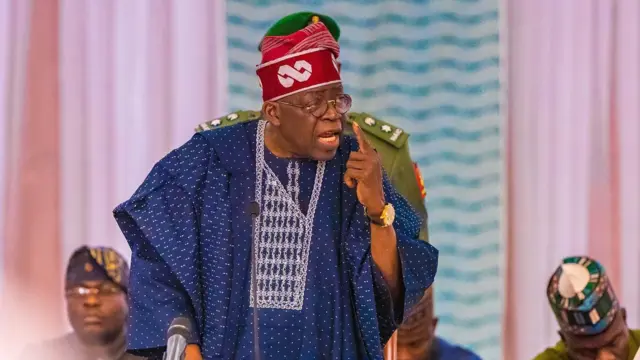
In a high-stakes defense of his administration’s economic trajectory, President Bola Ahmed Tinubu declared that Northern Nigeria remains the primary beneficiary of his difficult macro-economic reforms and infrastructure investments. Speaking through the National Chairman of the All Progressives Congress (APC), Prof. Nentawe Yilwatda, at the APC Professionals Forum’s “Asiwaju Scorecard Series” in Abuja on September 1, 2026, the President argued that the structural changes—most notably petrol subsidy removal and trade corridor expansion—are positioning the North as Nigeria’s next major economic engine.
However, the assertion sparked an immediate wave of debate across the country, drawing sharp skepticism from regional socio-cultural bodies including the Arewa Consultative Forum (ACF) and the Middle Belt Forum (MBF).
Strategic Trade Routes and Macro-Economic MetricsDelivering the keynote message, Prof. Yilwatda outlined the President’s vision to scale Nigeria’s economy to $1 trillion by 2030. He noted that the North’s geographic location gives it an unprecedented advantage in regional cross-border commerce. ”The biggest beneficiaries of this economy will be the Northern part of Nigeria, because they will now be trading directly with neighboring nations—Niger, Chad, Burkina Faso, South Sudan, Northern Cameroon, and the Central African Republic,” the President stated.
Key Macroeconomic Milestones Cited by the Administration:
Gross External Reserves: Reached approximately $52.7 billion by August 2026. Consolidated Non-Oil Revenue: Increased to ₦16.4 trillion across the first two quarters of 2026 (up from ₦13.63 trillion total in 2023). Merchandise Trade Surplus: Expanding trade balance to roughly ₦7.54 trillion in Q1 2026. GDP & Inflation Metrics: Q2 2026 real GDP growth recorded at 4.43%, with annual inflation easing toward 15.4%.
Social & Credit Safety Nets: Direct targeting via the Nigerian Education Loan Fund (NELFUND), CREDICORP credit initiatives, and the Ajaokuta-Kaduna-Kano (AKK) gas pipeline completion.
Heated Regional Reactions: ACF, MBF, and Northern Groups DisagreeThe President’s claims faced swift rejection from prominent Northern leaders who described the assertion as disconnected from ground realities across rural and urban communities.
Responding on behalf of the Arewa Consultative Forum, National Publicity Secretary Prof. Tukur Muhammad Baba characterized the President’s statement as “surreal, cynical, and in sour taste.” ”The statement is difficult to reconcile with the socio-economic realities confronting millions across Northern Nigeria. By what metrics is the North benefiting when agricultural production has been severely strained by insecurity and high input costs?” — Prof. Tukur Muhammad Baba, ACF Spokesman Similarly, Dr. Pogu Bitrus of the Middle Belt Forum questioned the tangible benefits reaching ordinary citizens, arguing that subsidy removal has driven up transport and food costs. Conversely, groups representing Northern Christians offered a contrasting view, contending that the administration’s infrastructural investments and security re-tooling represent a clear step forward compared to previous regimes.
Re-igniting the 2027 Fuel Subsidy Debate
The administration’s remarks also served as a direct political pushback against former Vice President and opposition leader Atiku Abubakar, who recently reiterated his commitment to restoring a modified fuel subsidy regime if elected in 2027. Supported by the African Democratic Congress (ADC), opposition strategists contend that reinstating targeted fuel subsidies is essential to relieve domestic living costs. The APC leadership strongly warned against reversing reforms, declaring that restoring subsidies would plunge the national treasury back into structural debt and stall critical infrastructure projects.
About The Author