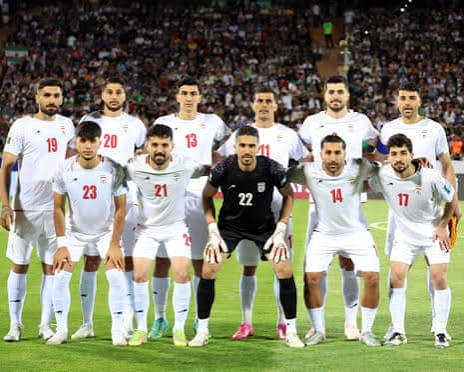

Iran’s national football team has departed Turkey for its World Cup base in Tijuana, Mexico, in an emotional send-off marked by players kissing copies of the Quran before boarding their flight. The departure comes under the shadow of escalating tensions between Tehran and Washington, as several members of Iran’s support staff remain without U.S. visas just days before the tournament begins.
The team left Antalya, Turkey, on Saturday for Mexico, where it will remain during the 2026 FIFA World Cup. While Iran’s players and most coaches have received permission to enter the United States for matches, a number of senior federation officials and support personnel are still awaiting visa approvals or have reportedly been denied entry.
Visa Dispute Sparks Diplomatic TensionsIranian officials have accused the United States of politicizing sports after several key football federation executives and staff members were denied visas. Tehran argues that the restrictions violate the spirit of international sporting competition and has indicated it may raise the matter with FIFA.
Among those reportedly affected are senior officials within the Iranian Football Federation, creating logistical challenges as the team prepares for matches that will take place in the United States.
U.S. officials have stated that visas were granted to players, coaches, and essential personnel required for competition, while some applications were rejected due to security and administrative concerns.
Mexico Becomes Iran’s World Cup BaseOriginally planning to establish its World Cup camp in Arizona, Iran shifted its base to Tijuana, Mexico, due to ongoing visa uncertainties and geopolitical tensions. The move means the squad will travel from Mexico to the United States for its group-stage matches before returning to its training base.
Iran is scheduled to face New Zealand, Belgium, and Egypt during the group stage of the tournament.
Symbolic Departure Captures AttentionImages of players kissing the Quran and bidding emotional farewells before departure quickly spread across international media and social platforms, symbolizing the significance of the tournament for the team amid difficult political circumstances.
The squad now faces the challenge of focusing on football while navigating one of the most politically sensitive World Cup campaigns in recent memory.
Why This Matters
The situation highlights:
Growing geopolitical tensions surrounding the 2026 FIFA World Cup
The impact of international politics on global sporting events
Ongoing U.S.-Iran diplomatic disputes
FIFA’s role in ensuring equal participation for qualified nations
Challenges facing athletes caught in broader political conflicts
With the tournament just days away, attention will remain on whether remaining visa issues can be resolved before Iran’s opening match.
About The Author