Trump Says Iran Deal Is Close as Negotiators Work on Final Details
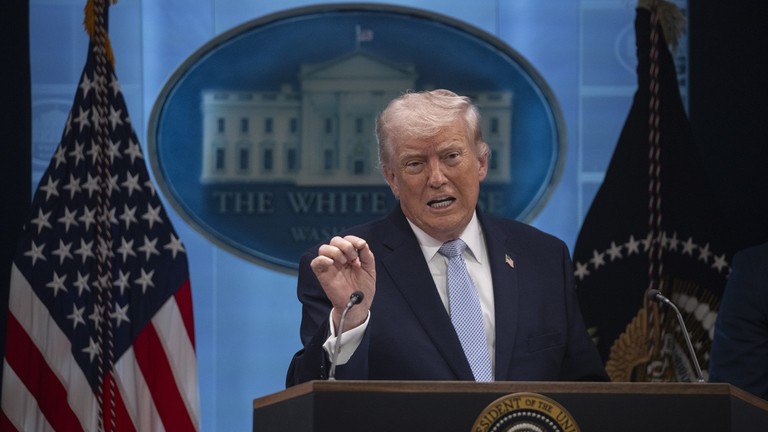
U.S. President Donald Trump has announced that a proposed agreement between the United States and Iran has been “largely negotiated,” raising hopes that months of tensions and conflict in the Middle East could move closer to a diplomatic resolution.
According to Trump, the framework of the agreement has already been substantially completed, while negotiators continue discussions on the remaining details. One of the key provisions reportedly under consideration is the reopening of the Strait of Hormuz, a critical global shipping route through which a significant portion of the world’s oil supply passes.
The announcement came after a series of discussions involving leaders from several Middle Eastern countries, including Saudi Arabia, the United Arab Emirates, Qatar, Jordan, Egypt, Bahrain, and Pakistan. Trump also reportedly held consultations with Israeli officials regarding the proposed arrangement.
The proposed agreement is intended to reduce tensions between Washington and Tehran and could serve as a framework for broader negotiations on security, regional stability, and Iran’s nuclear activities. Trump stated that final aspects of the agreement are still being discussed and could be announced soon if negotiations continue to progress.
However, reports indicate that significant issues remain unresolved, including questions surrounding Iran’s nuclear program, sanctions relief, and future security arrangements in the region. Iranian officials have also signaled caution, suggesting that discussions are continuing and that a final agreement has not yet been completed.
The possibility of reopening the Strait of Hormuz is receiving particular attention because disruptions in the waterway have affected global energy markets and contributed to concerns about oil prices and international trade. Analysts say a successful agreement could help stabilize markets and reduce fears of further military escalation.
Why This Matters
The United States and Iran have remained at odds for decades, and any agreement between the two countries could have major implications for:
Global oil prices
Middle East security
International trade
Energy markets
Regional diplomatic relations
For countries like Nigeria, developments affecting global oil markets are closely watched because they can influence government revenue, fuel prices, and broader economic conditions.
About The Author