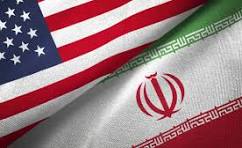

Diplomatic efforts to secure a permanent end to the devastating Middle East conflict hit a significant hurdle as Switzerland announced the abrupt postponement of highly anticipated peace talks between United States and Iranian negotiators. The high-stakes technical sessions, which were scheduled to commence at the secluded Bürgenstock mountaintop resort, were frozen amid logistical uncertainty, political pushback, and a sharp escalation of military hostilities on the ground in southern Lebanon.
The diplomatic freeze was signaled late Thursday when the White House announced that Vice President JD Vance had abandoned immediate plans to fly out to head the American delegation. “The logistics of these negotiations have never been simple or predictable,” a White House spokesperson stated, underscoring the extreme volatility surrounding the backchannel peace framework.
Technical Disputes and Changing Sanction Dynamics
While the Swiss Foreign Ministry maintained that preparatory work at Bürgenstock continues, the semi-official Iranian Tasnim news agency indicated that Tehran’s delegates refused to board flights to Central Europe. According to Iranian officials, domestic negotiators required tangible signs of the U.S. actively implementing the initial 14-point interim accord—which established a temporary 60-day ceasefire—before committing to deeper technical parameters.
A major point of contention centers on future maritime infrastructure and global commerce. Under the preliminary framework, Iran expects to retain shared administrative control over the strategic Strait of Hormuz alongside Oman. Crucially, Tehran intends to levy unprecedented commercial service fees on international shipping vessels traversing the waterway once the 60-day negotiation window concludes—a revenue-generation move the Trump administration is actively working to constrain.
[Wednesday: 14-Point Accord Signed] ──> [Thursday: Heavy Strikes in Lebanon] ──> [Friday: Swiss Talks Postponed] ──> [Next 60 Days: Nuclear Framework Deadline]
Domestic Political Backlash and Regional Sabotage
The postponement highlights deeper structural threats to the peace process, stemming from both domestic political rifts in Washington and direct military actions in the Levant:
Primary Systemic Obstacles to the US-Iran Peace Framework
| Source of Friction | Core Conflict Dynamic | Strategic Implications for Truce |
|---|---|---|
| Exclusion of Israel | Tel Aviv has completely distanced itself from the Washington-Tehran axis. | Continuous IDF operations against Hezbollah break the operational calm required for talks. |
| U.S. Congressional Rift | Hardline Republicans accuse the administration of conceding too much before mid-term elections. | Puts pressure on Vance to demand strict limits on Iran’s long-range ballistic missile fleet. |
| Iranian Hardline Rhetoric | Supreme Leader Ayatollah Mojtaba Khamenei stated the U.S. signed “out of desperation.” | Signals that upcoming mandates to overhaul the 2015 JCPOA nuclear accord will face intense resistance. |
The most immediate threat to the deal remains the uncontained warfare in southern Lebanon. Hours before the postponement was made official, heavy Israeli airstrikes near Nabatieh killed multiple people, while Hezbollah retaliated with ground operations that claimed the lives of four Israeli soldiers. Because Israel was not a signatory to the bilateral U.S.-Iran memorandum, its ongoing defensive and offensive security maneuvers consistently test the limits of Iran’s patience.
The $300 Billion Reconstruction Question
If negotiators manage to salvage the timeline, the upcoming technical phase is legally bound to iron out the details of a massive $300 billion reconstruction fund earmarked for Iran, alongside various international financial incentives designed to stabilize its crippled economy. In return, American delegates are demanding a comprehensive, verifiable rollback of Iran’s uranium enrichment programs, attempting to forge a more restrictive successor to the 2015 nuclear pact that President Trump famously abandoned during his first term in office.
However, with Iran’s Supreme National Security Council explicitly warning that it will show “no leniency” to what it terms an “untrustworthy” American administration, the window to turn this fragile 60-day cessation of hostilities into a historic regional settlement is rapidly narrowing.
About The Author