
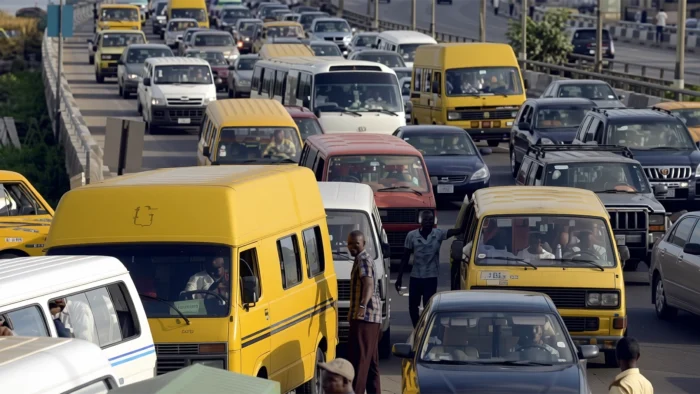
Extreme Survival: Spike in Bus Fares and Rents Force Nigerians to Live in Cars, Offices, and Shops

A severe cost-of-living crisis is redrawing the socio-economic fabric of Nigeria’s major metropolitan hubs. Driven by a crushing combination of triple-digit rent hikes and hyper-inflated transportation costs, an increasing number of civil servants, young professionals, and informal artisans are abandoning traditional apartments. Instead, they are turning to unconventional, desperate alternatives: sleeping inside parked vehicles, overnighting in corporate offices, or taking shelter in workshops.
Investigations across major urban centers—including Lagos, Abuja, Port Harcourt, Kano, and Ogun—reveal that the economic squeeze has outpaced recent wage adjustments. The approved N70,000 national minimum wage has provided little insulation against real-world inflation, forcing families to make agonizing choices between paying for a roof over their heads or putting food on the table.
The Economics of Displacement: Rent vs. Commuter Costs
The rapid transition from stable accommodation to transient living is fueled by a dual financial squeeze. On one end, urban land costs, expensive property documentation, and a massive supply shortfall have allowed landlords to raise rents by 50% to over 300% within the last 24 months.
[Urban Land & Construction Costs Spike] ──► [City Center Rents Skyrocket 50%–300%]
                                                      │
                                                      ▼
[Workers Displaced to Outskirts] ◄────────────────────┘
        │
        ▼
[NBS Data: Average City Bus Fares Surge 39.83% Year-on-Year (N1,397)]
        │
        ▼
[The Breaking Point: Workers Sleep in Cars, Offices, and Shops to Survive]
On the other end, commuting from distant, affordable city fringes has become financially impossible. According to the National Bureau of Statistics (NBS), average city bus fares surged to N1,397.27, representing a sharp 39.83% year-on-year increase from the previous year. With petrol prices hovering between N1,300 and N1,400 per liter following the 2023 subsidy removal, the price of daily travel has turned into an unsustainable financial burden.
Micro-Accommodations: When Vehicles and Offices Become Homes
The human cost of this structural deficit manifests in the pre-dawn hours across commercial districts. Near major transport hubs and international airports, ride-hailing drivers are increasingly utilizing their vehicles as multi-purpose micro-apartments.
Field Observations: Early morning sweeps reveal drivers initializing their day directly out of their car boots, which are tightly packed with essential personal effects including toothpaste, toothbrushes, towels, changes of clothes, and slippers.
A similar dynamic is playing out across local mechanics’ workshops and artisanal hubs. Apprentices and informal technicians now routinely sleep inside customers’ vehicles left overnight for repairs. Returning home to their families daily has simply become an expense they can no longer afford.
The Urban Squeeze: Cost Realities vs. Basic Earnings
| Economic Metric / Indicator | Baseline Data & Urban Market Realities |
|---|---|
| Average Studio / 1-Bedroom Rent | N650,000 to N1,500,000 per annum across major Nigerian cities. |
| Average 2-Bedroom Flat Rent | N850,000 to N2,500,000 per annum based on structural location. |
| NBS City Bus Fare Metric | Rose from N999.27 to N1,397.27 year-on-year, a 39.83% increase. |
| Statutory Safety Net | National Minimum Wage stands at N70,000 per month (approx. N840,000 yearly). |
Experts Sound the Alarm: The Path Forward
Urban management experts are warning that without immediate public intervention, informal homelessness could trigger wider systemic vulnerabilities. Prominent urban planning professionals are urging the government to look beyond the private real estate market, which heavily favors high-yield luxury developments over entry-level units.
To arrest the decline, housing specialists recommend that local and state governments immediately leverage their administrative control over land allocation to roll out targeted social housing schemes. Developing smaller, modular housing clusters tailored to low-income earners, alongside easing the bureaucratic bottlenecks required to obtain Certificates of Occupancy (C of O), remains vital. Until macro-economic adjustments stabilize transport tariffs and accommodation inflation, Nigeria’s working class will continue to innovate survival strategies at a steep personal cost.
About The Author